
Categories
PhysicianPublished May 11, 2026
Physician Relocation to Cincinnati: The 60-Day Roadmap

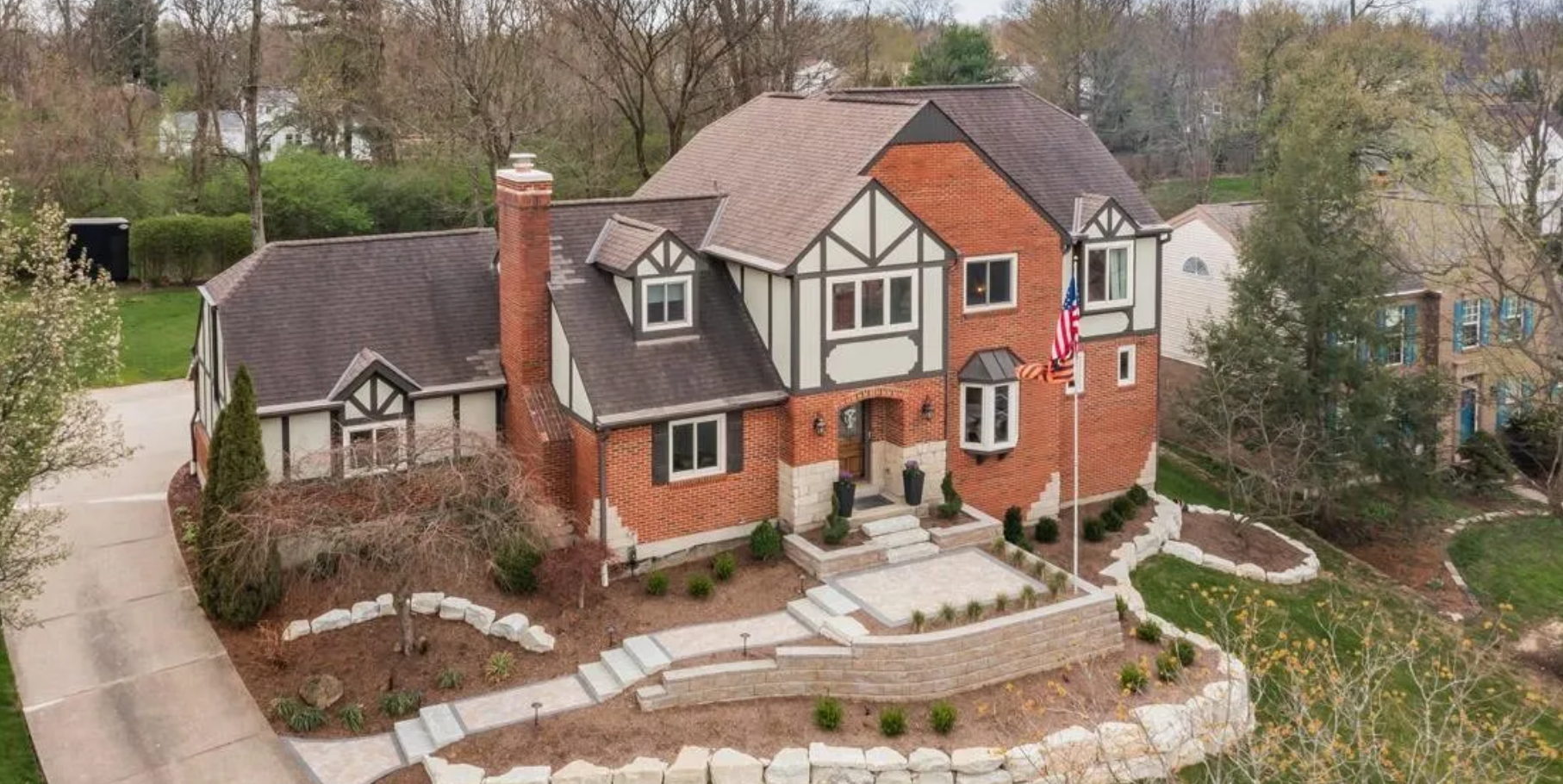
If you're a physician relocating to Cincinnati and have never lived here, the biggest challenge usually is not buying a house. It's figuring out where to live in a city you mostly know from a recruiting dinner, a few Google searches, and maybe a Wikipedia page.
This is our home and the environment we work in every single day. As the exclusive real estate partner for TriHealth Physician Recruitment, we work with physicians who are often relocating from completely different markets and lifestyles. Some have never even visited Cincinnati before. They are exceptional at what they do, but they are suddenly faced with questions like:
"East Side or West Side?"
"Inside the loop or outside the loop?"
"Cincinnati or Northern Kentucky?"
Those are all good questions and, frankly, the answers are not in the welcome packet.
This is the roadmap we walk through with every incoming physician. It covers the decisions that matter most, in the order they typically matter most.
Days 1 to 15: Get Oriented Before You Get Attached
One of the most expensive mistakes relocating physicians make is falling in love with a house before understanding the geography.
Cincinnati is not just one city with interchangeable neighborhoods. The East Side and West Side each have distinct personalities, communities, school systems, commute patterns, and lifestyles. Areas like Hyde Park, Mariemont, Indian Hill, Mount Lookout, and Anderson Township all feel very different from one another, and even more different from the West Side.
Then there is the third option that surprises almost everyone: Northern Kentucky.
Communities like Fort Mitchell, Erlanger, and Florence can sit just 12 to 20 minutes from many TriHealth campuses, depending on traffic and which bridge you cross. And yes, the bridge matters. Kentucky comes with a different state tax structure, different school districts, and an entirely different day-to-day feel.
For some physicians, the lower housing costs and value proposition make Northern Kentucky an easy decision. Comparable homes in Fort Mitchell can often run $80,000 to $120,000 below similar East Side inventory. For others, crossing the bridge every day becomes a mental hurdle they did not anticipate.
Your job during the first two weeks is not to fall in love with a kitchen or backyard. It is to decide which geography actually fits your lifestyle, priorities, and long-term goals. We will absolutely help you with the numbers, but the numbers only matter once the lifestyle question is answered
Days 16 to 30: Lock In Financing Before You Find the House
Physician loan programs exist because conventional underwriting was not built for the financial profile most physicians have.
If you are finishing residency or fellowship, your student debt may completely distort a traditional debt-to-income calculation. If you are an attending physician, your income may have only started within the last 90 days.
Several lenders in the Cincinnati market specialize in physician loans, and we have worked with many of them extensively. While programs vary, most allow:
- 0% to 10% down
- No PMI requirement
- Employment contracts used as proof of income before your first paycheck arrives
On a $750,000 purchase, the difference between a conventional loan requiring 20% down ($150,000) and a physician loan at 5% down ($37,500) is $112,500 at closing.
That conversation is worth having this week, not next month.
Get pre-approved during this phase, not after you find the right house. In competitive price ranges, sellers are not waiting for financing conversations to catch up.
Days 31 to 45: Search Strategically and Prepare for the Possibility of Buying Sight-Unseen
If your start date is fixed, and most physicians' start dates are, there is a real chance you may write an offer before ever standing inside the property.
That is far more common than most people realize.
We have guided multiple relocating physicians through successful sight-unseen closings, and the process works extremely well when it is handled correctly.
What that looks like in practice:
- Detailed live video walkthroughs
- Honest commentary about the home, neighborhood, and layout
- Permit and property history reviews
- Street and surrounding area analysis
- Direct feedback on anything we believe could become a future concern
We are not here to pressure you into a transaction. We are here to help make sure you still feel great about the decision 18 months later.
If possible, try to make one dedicated trip to Cincinnati before writing an offer. Ideally, that happens around week six or seven.
Two to three focused days are usually enough.
We coordinate the logistics, help narrow the search down to the strongest options on the market, and create an efficient game plan before you even arrive. The goal is for you to walk in prepared and confident, not overwhelmed.
Days 46 to 60: Coordinate the Closing With Your Start Date
A standard residential transaction typically closes within 30 to 45 days after an accepted offer.
That timeline matters when your first shift is already locked onto a hospital calendar.
The biggest factors that can affect timing include:
- Inspection contingencies
- Title work
- Lending timelines
- Moving coordination
- Closing date flexibility
Inspection contingencies are standard and important. Keep them.
We also work with moving vendors who regularly assist relocating physicians and understand how to build flexibility into the process rather than creating additional stress.
If your start date is less than 60 days away, mention that during the very first conversation. There are often ways to accelerate parts of the process, but only if we know the timeline constraints upfront.
A Quick Note on Schools
If you have children, or plan to soon, school district boundaries become one of the most important parts of the conversation.
The East Side alone includes several highly regarded options, including:
- Mariemont City Schools
- Indian Hill Exempted Village Schools
- Cincinnati Public Schools' selective enrollment programs
Each district has different attendance boundaries, enrollment processes, academic profiles, and timelines for incoming families.
We are not school counselors, but we do know which questions to ask early and which boundaries to flag before you become emotionally attached to a particular neighborhood or street.
What the Welcome Packet Won't Tell You
TriHealth's recruiting team does an excellent job explaining the opportunity, compensation structure, and onboarding process.
What they cannot fully explain is what it actually feels like to live here.
They cannot tell you that the Saturday morning line at Allez in Hyde Park is worth planning your errands around. Or that a significant number of incoming TriHealth physicians initially gravitate toward the Montgomery Road corridor. Or that many physicians who eventually want more land and privacy often end up exploring areas like Dearborn County, Indiana, a few years after their initial move.
That local knowledge is where we come in.
That local knowledge is where we come in. If you are navigating a relocation to Cincinnati and need guidance that goes beyond a standard orientation packet, we would be glad to help. Start with our buying page or reach out directly. We work with TriHealth's incoming physicians regularly and can get on a call quickly.
Whether you are trying to evaluate neighborhoods, timing, schools, financing, or commute strategy, we can walk through your specific situation and help you create a game plan that makes sense for your life and career.
If you are a relocating physician navigating this process right now, we would be glad to talk through your situation, timeline, family needs, and long-term goals.
No pressure. No sales pitch. Just a conversation with people who have helped many physicians make this transition successfully.
Want the full guide to take with you?
We put together a free downloadable version of this roadmap - including a neighborhood comparison table, physician loan math at a glance, a schools quick reference, and the local knowledge section formatted to keep and share.
Get the free guide here!
or another way
CG
The Coolidge Group
Online now